Care homes operate on tight margins with rising input costs. Food, cleaning, laundry, utilities, medical supplies and facilities management all compete for budget, and many of these costs are accepted as fixed when they are negotiable. This guide sets out where UK care homes typically find savings — without affecting the quality of care.
The care home cost base
A care home’s indirect spend is broad: food and catering, cleaning and hygiene, laundry, utilities, medical and care supplies, waste, and facilities maintenance. Because these are spread across many suppliers and renewals, pricing can drift above market without being noticed — particularly on auto-renewing utilities and service contracts.
Food and catering
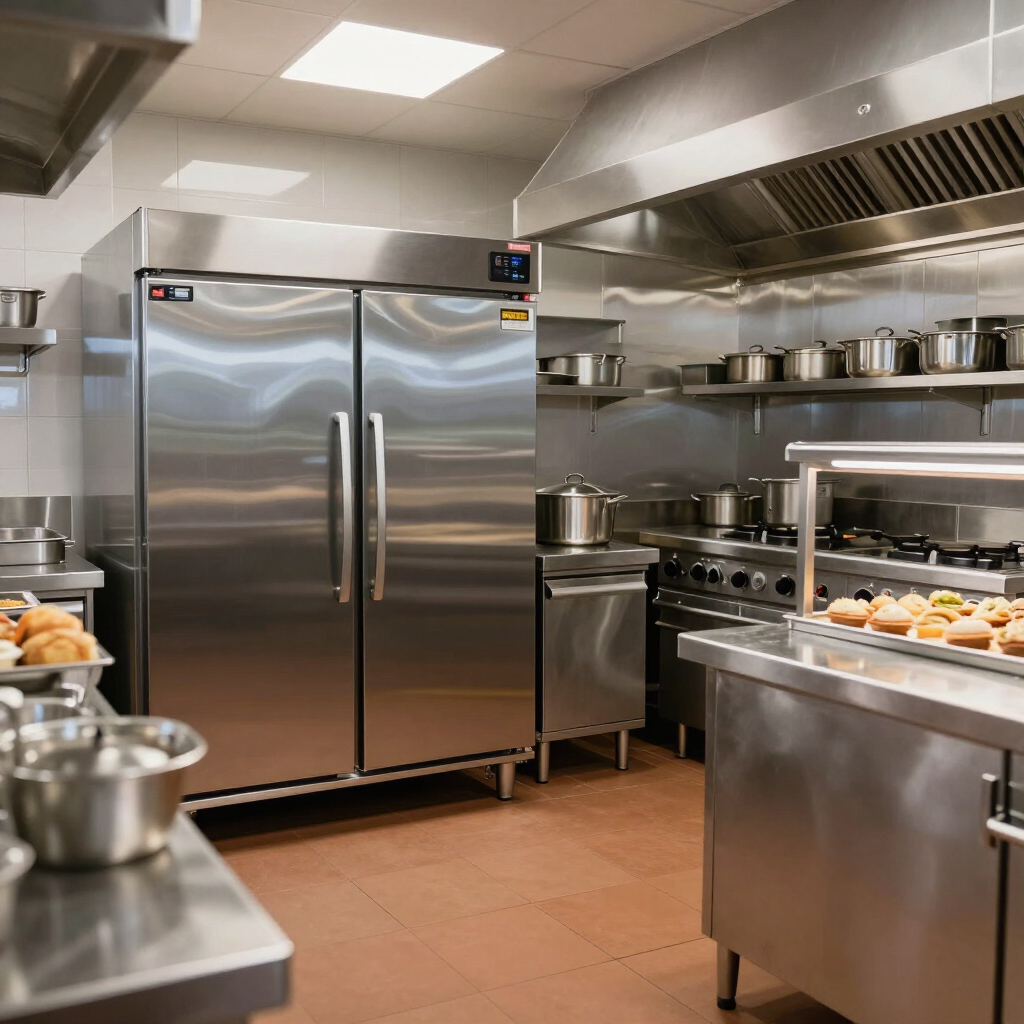
Food and catering supplies are a major recurring cost. Benchmarking food pricing across suppliers, consolidating orders to qualify for volume pricing, and reviewing catering equipment servicing contracts can all reduce cost while protecting meal quality and dietary standards.
Cleaning, hygiene and laundry
Cleaning chemicals, paper products, hygiene consumables and laundry services are bought frequently and often from long-standing suppliers. These categories are highly benchmarkable; volume consolidation across a group of homes typically secures keener rates than single-site purchasing.
Utilities
Electricity, gas and water are significant for care homes, which run 24 hours a day. Group procurement across multiple homes secures lower unit rates than individual site contracts, and reviewing tariffs before renewal avoids above-market increases being applied automatically.
Medical and care supplies
Medical supplies, continence products and care consumables are essential and non-discretionary, but pricing still varies between suppliers. Benchmarking these categories carefully — while protecting product specification and reliability — can reduce cost without compromising care.
Facilities, waste and compliance
Waste collection (including clinical waste), pest control, HVAC, fire safety, electrical testing and gas safety certification are all recurring obligations. These contracts are often set up once and left unchallenged. Benchmarking and renegotiating them — with multi-year fixed-price agreements and escalation caps — brings budget certainty and reduces admin across multiple homes.
Protecting care while reducing cost
The guiding principle is that cost reduction should target price and commercial terms, never care standards. Specifications for food, hygiene and medical products are fixed before any comparison, so savings come from better procurement rather than reduced quality or service.
Frequently asked questions
- Can cost reduction affect the quality of resident care?
- No — when done properly. Benchmarking targets price and terms against a fixed product and service specification, so care standards are protected while procurement costs are reduced.
- Does this work for a single care home or only for groups?
- Both. A single home benefits from benchmarking and renegotiation; a group of homes additionally benefits from consolidated volume purchasing across sites.
- How does Cost-Pilot charge care homes?
- The initial review is free. Where we secure savings through sourcing and negotiation, we work on a success-fee basis — no savings, no fee.