Construction margins are tight, and a large share of project cost sits in materials, plant hire, utilities, maintenance contracts and subcontractor rates. Construction procurement — actively managing how these are bought — is one of the most direct ways to protect and improve project margins. This guide covers where UK builders and developers typically overspend and how to address it.
Where construction spend leaks
Construction procurement costs rarely leak in one place. They drift up across many small decisions — a materials supplier that has not been benchmarked for years, plant hire charged at list rates, utilities procured per site rather than across the business. Individually these look minor; across a development they compound.
Materials and site supplies
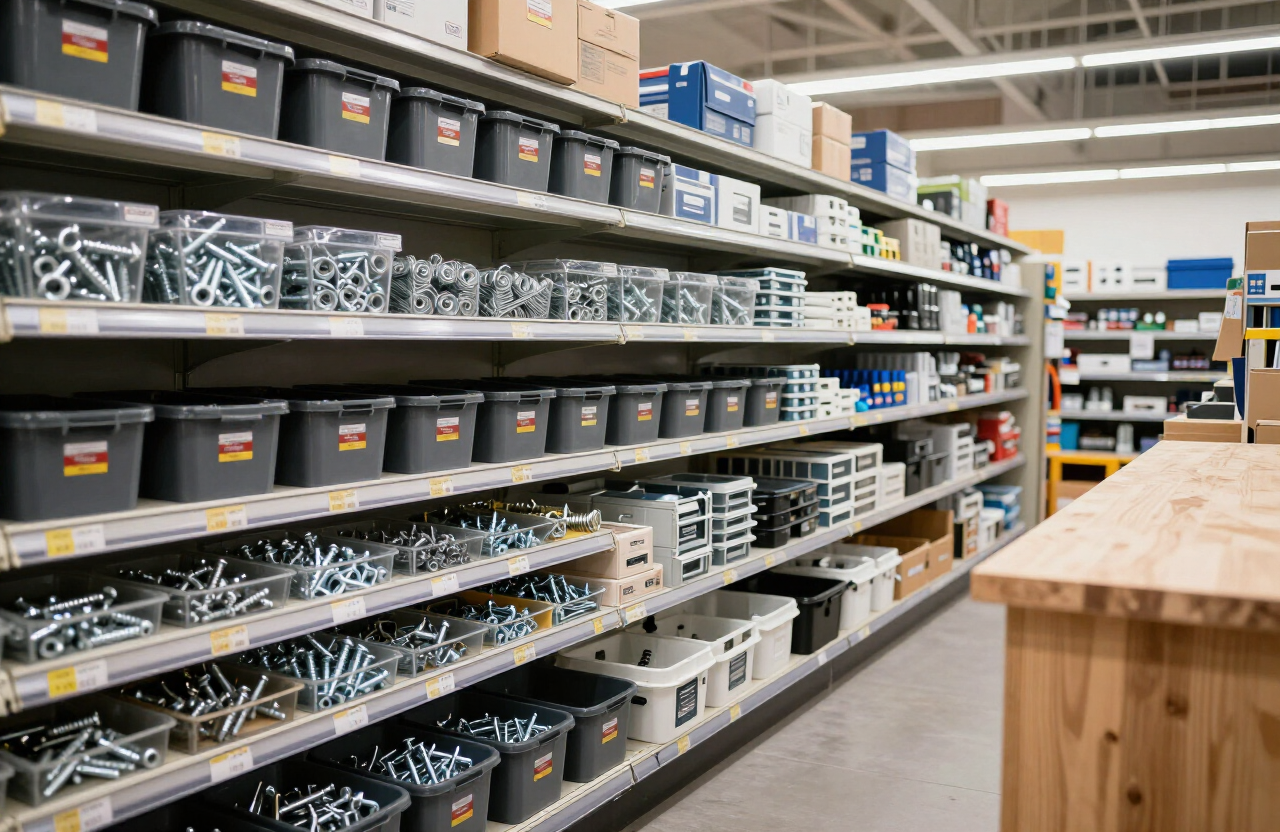
Bulk materials, consumables and site supplies are often bought from a long-standing supplier without a current price check. Benchmarking material pricing — especially for repeat purchases across multiple developments — can reveal where volume deals or alternative suppliers would reduce unit cost without affecting quality.
Plant and equipment hire
Plant hire and equipment maintenance are frequently charged at standard rates. For recurring hire, negotiated framework rates or volume commitments typically secure better pricing than ad-hoc hire. Maintenance contracts for owned plant can also be benchmarked and renegotiated.
Utilities and energy
Electricity, gas and water for construction sites — and for completed units — are often procured site by site. Group buying across a developer’s portfolio usually secures lower unit rates than individual site procurement. For completed residential or commercial units, securing competitive energy terms before handover also improves the end proposition.
Maintenance and compliance contracts
Managed developments carry long-term servicing and compliance obligations — HVAC, fire safety, electrical testing, lift maintenance. These contracts are frequently set up at handover and left unchallenged. Benchmarking and renegotiating them, with multi-year fixed-price agreements and escalation caps, brings budget certainty for the development.
Subcontractor costs
Recurring trades and specialist subcontractors represent a significant and often unbenchmarked cost. Comparing rates across providers for repeat scopes, and negotiating framework terms for regular trades, can improve project margins without compromising delivery.
A practical approach for builders and developers
- 1Map spend across materials, plant, utilities, maintenance and subcontractors
- 2Benchmark recurring, high-value categories against the UK market
- 3Negotiate volume deals and framework rates where commitment is possible
- 4Cap escalation on multi-year maintenance and compliance contracts
- 5Review renewals before they auto-renew, not after
Frequently asked questions
- Does procurement support apply to single projects as well as portfolios?
- Yes. Single developments benefit from benchmarking materials, plant and utilities; portfolios additionally benefit from group buying and consolidated supplier agreements.
- Will cost reduction affect build quality?
- No. Benchmarking targets price and commercial terms against a fixed specification, so quality and service scope are protected while cost is reduced.
- How does Cost-Pilot charge builders and developers?
- The initial review is free. Where we source and negotiate savings, we work on a success-fee basis — no savings, no fee.