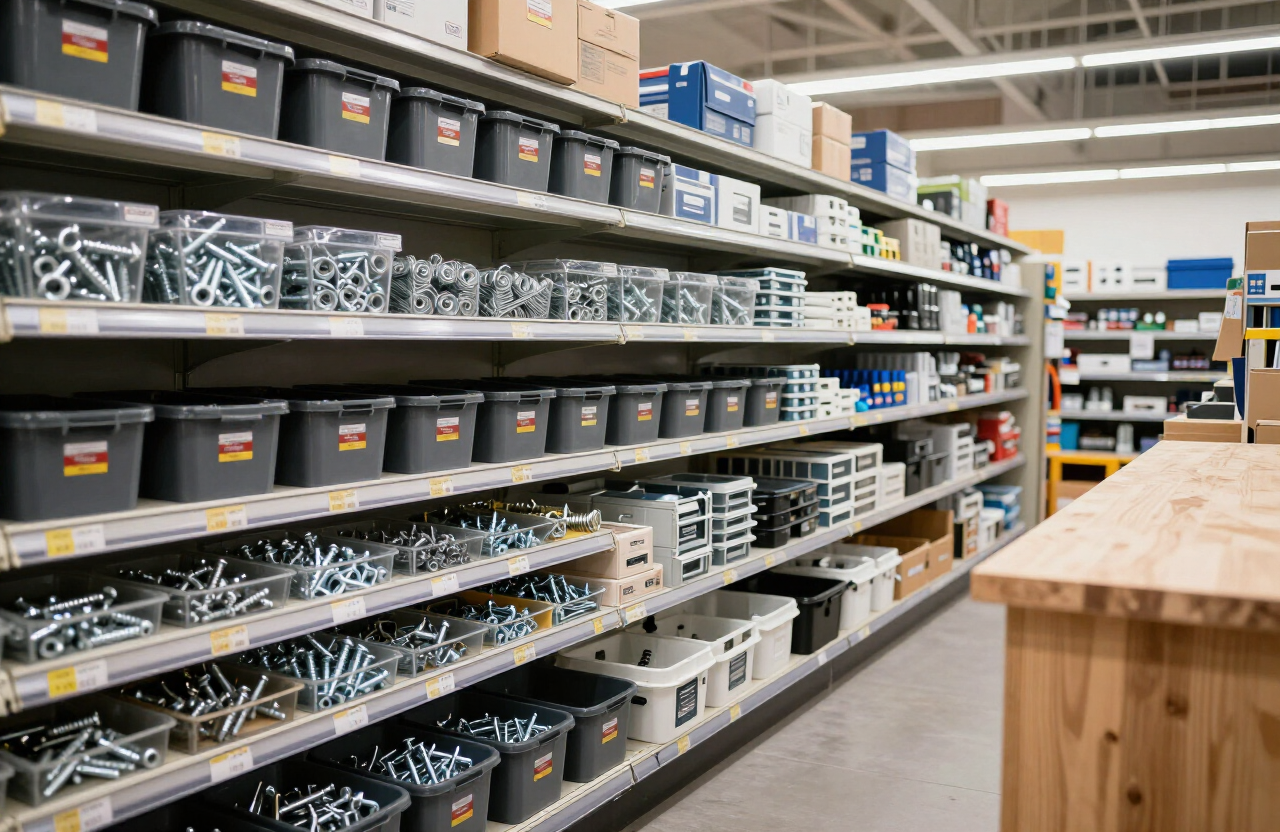
Building materials are usually the largest variable cost on a builder’s job, yet many builders buy them the same way for years — from the same merchant, at the listed rate, with no recent price check. This article sets out practical, low-risk ways UK builders can reduce building material costs without compromising quality, specification or programme, from comparing supplier quotes to cutting waste and running a free price check.
Why material costs drift upwards
Material prices move with the market, but costs also drift up through habit. A merchant account opened years ago may no longer reflect your current volume. Ad hoc purchases across several jobs miss volume breaks. Substitutions and emergency top-ups are bought at retail rates. Individually each looks minor; across a year they add up.
1. Compare supplier quotes properly
A genuine comparison needs the same specification, pack size, delivery location and terms for every supplier. Ask for written quotations covering the products you buy most often, then compare the delivered cost — not the catalogue price.
- Confirm the exact grade, finish, dimensions and any certification before quoting
- Include delivery charges, minimum order values and carriage thresholds
- State whether VAT, rebates and payment terms are included or separate
- Ask the incumbent supplier to quote alongside credible alternatives
- Record every quote with a date so you can track how the market moves
The existing supplier should normally be included. A clear, evidence-based requirement often improves incumbent terms without the disruption of switching.
2. Use bulk buying where it genuinely helps
Bulk buying can lower unit cost, but only where demand is predictable. Buying ahead on slow-moving lines ties up cash and risks waste. Consolidate volume on the products you buy repeatedly — common bricks, blocks, plasterboard, insulation, screws and fixings — and consider scheduled or call-off deliveries so stock matches the programme.
- Rank materials by annual quantity and total spend, not unit price alone
- Combine demand across jobs or plots where storage allows
- Agree minimum order quantities and call-off flexibility up front
- Weigh any volume discount against working capital and storage cost
3. Cut waste and rework
Wasted material is bought twice. Reducing waste protects margin as directly as a price cut, and it is often faster to achieve. Standardising a product range, ordering to a cutting list, and storing materials properly all reduce write-offs.
- Order to accurate take-offs and cutting lists, not rounded-up estimates
- Standardise specifications across plots to simplify ordering and reduce offcuts
- Store materials to avoid damage, damp and theft on site
- Track returns, damages and substitutions so patterns become visible
4. Fix specifications before you buy
A loose specification lets suppliers quote different products at different prices, which makes comparison meaningless. Fix the specification first — grade, finish, fire rating, dimensions and certification — then benchmark price against that fixed baseline. This protects quality while cost is reduced.
5. Run a free price check
You do not have to review every line at once. Send one product you buy regularly, the quantity and your current price, and Cost-Pilot will check its UK supplier network to see whether a better deal is available. There is no upfront fee and no obligation to proceed.
A practical material cost checklist
- 1List your highest-spend materials and current suppliers
- 2Confirm the specification, pack size and delivery terms for each
- 3Request comparable written quotes from the incumbent and alternatives
- 4Compare delivered cost, availability and service together
- 5Consolidate volume on repeat lines where it is safe to do so
- 6Reduce waste through accurate ordering, storage and standardisation
- 7Review the arrangement before the next order or renewal
Frequently asked questions
- Do I have to change merchant to reduce material costs?
- No. A supplier change is not required. Benchmarking often improves terms with your existing merchant; any decision to switch remains entirely yours.
- Will reducing material costs affect quality?
- Not when done properly. The specification is fixed before any comparison, so quality, compliance and standards are protected while price is reduced.
- How does the free price check work?
- Send one product, the quantity and your current price. Cost-Pilot checks its UK supplier network and reports whether a better deal is available, with no upfront fee and no obligation.

