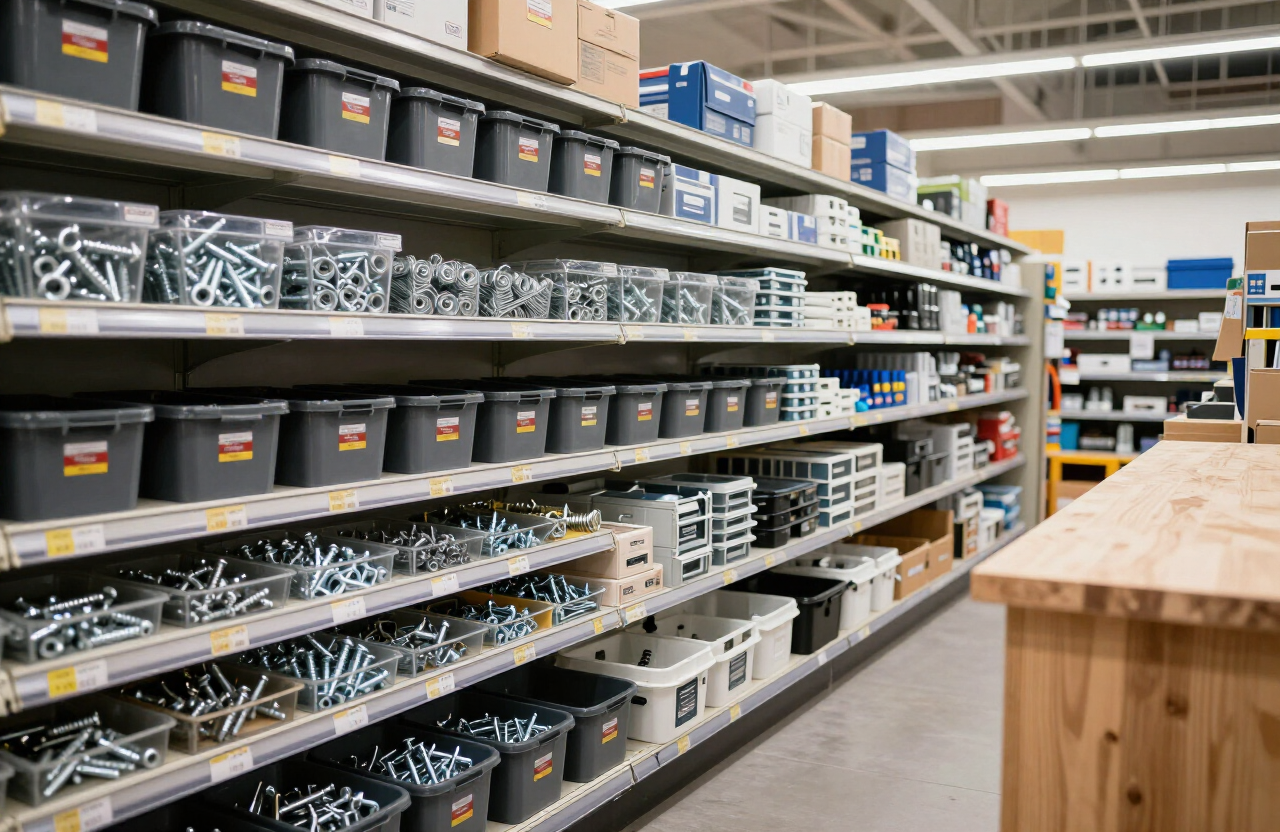
On a development, procurement decisions made early shape the final margin. Plot materials, subcontractor packages, plant hire and utility connections are often accepted at the first rate quoted, then left unchallenged for the life of the project. This article explains how UK property developers can reduce construction procurement costs through planning, supplier comparison, quote review and tighter budget control — without affecting build quality or programme.
Where development procurement spend builds up
Procurement cost rarely leaks in one place. It drifts up across the development: materials ordered plot by plot at merchant list pricing, plant hired ad hoc at standard rates, utility connections procured per plot, and subcontractor packages accepted without a current rate check. Individually each looks minor; across a full development they compound.
1. Plan procurement before the first order
A procurement plan drawn up at design stage gives you leverage you cannot recover later. It identifies what will be bought, when, in what volume, and from which type of supplier — so you can consolidate demand and negotiate before commitments are made.
- Map materials, plant, connections and subcontractor packages by plot and phase
- Separate predictable core demand from project-specific or seasonal demand
- Identify where volume can be consolidated across plots or the portfolio
- Set target lead times so ordering is not forced into emergency rates
2. Compare suppliers on a like-for-like basis
A credible comparison fixes the specification and commercial terms, then asks every supplier to quote against them. Compare the delivered cost rather than the catalogue price, and make clear whether VAT, carriage, rebates and payment terms are included.
The incumbent supplier should normally be included. Sharing a clear requirement gives an existing supplier the chance to improve its terms, while alternative quotations provide a market reference.
3. Review quotes line by line
A headline rate can hide charges that erode the saving. Review each quote for the terms that affect total cost over the life of the agreement, not just the unit price.
- Delivery charges, minimum order values and call-off flexibility
- Price-escalation clauses and how increases have been applied
- Payment terms, rebates and volume tiers
- Availability, lead times and support for urgent requirements
- Returns, damaged goods and substitution policy
4. Source materials strategically
Material sourcing is about more than finding the cheapest supplier. Standardising a product range across plots helps merchants sharpen pricing. Group buying across a developer’s portfolio usually secures lower unit rates than plot-by-plot purchasing. For completed units, securing competitive energy terms before handover also improves the end proposition for buyers.
5. Keep budget control live
A budget set at the start is only useful if it is tracked. Confirm that agreed prices appear on invoices, monitor actual spend against forecast, and revisit the market when a contract or price list is due for review or when demand changes materially.
- Track actual volumes and prices against the procurement plan
- Check invoices match agreed terms before payment
- Flag variances early rather than at project close
- Review every renewal before it auto-renews, not after
A developer procurement checklist
- 1Build a procurement plan at design stage
- 2Consolidate volume across plots and the portfolio
- 3Request comparable quotes from the incumbent and alternatives
- 4Review each quote for delivered cost, escalation and service
- 5Standardise specifications to simplify sourcing and pricing
- 6Track spend against budget and confirm invoice terms
- 7Run a free price check on a high-spend material
Frequently asked questions
- Does this apply to a single development as well as a portfolio?
- Yes. A single development benefits from planning, quote review and budget control; a portfolio additionally benefits from consolidated volume and framework rates across sites.
- Will procurement cost reduction affect build quality or programme?
- No. Benchmarking targets price and commercial terms against a fixed specification, so quality, standards and delivery programme are protected while cost is reduced.
- How does the free price check help developers?
- Send one material, the quantity and your current price. Cost-Pilot checks its UK supplier network for a better deal, with no upfront fee and no obligation to proceed.